CHINT SOLAR EUROPE
We build solar parks. From topography to energization.
One point of contact for civil, mechanical and electrical works. From the first stake to the energized substation.
Eleven phases, always in the same order.
The same path on every site, from the survey to handover. Scroll: the step lights up and the site changes around you.
One site, from start to finish
I. Survey In progress
The field exists before the machines.
GPS RTK, staking out, level checked point by point. Every pile has an address before the steel arrives.
Ten countries, one way of working.
Every dot is one of our sites, sized by installed capacity. Hover a dot to read its name; the full reference list runs to ninety-five plants.
Project record
- In progress
- Completed
- With full record
- Approximate position
- Oradea
Real projects. Real energy.
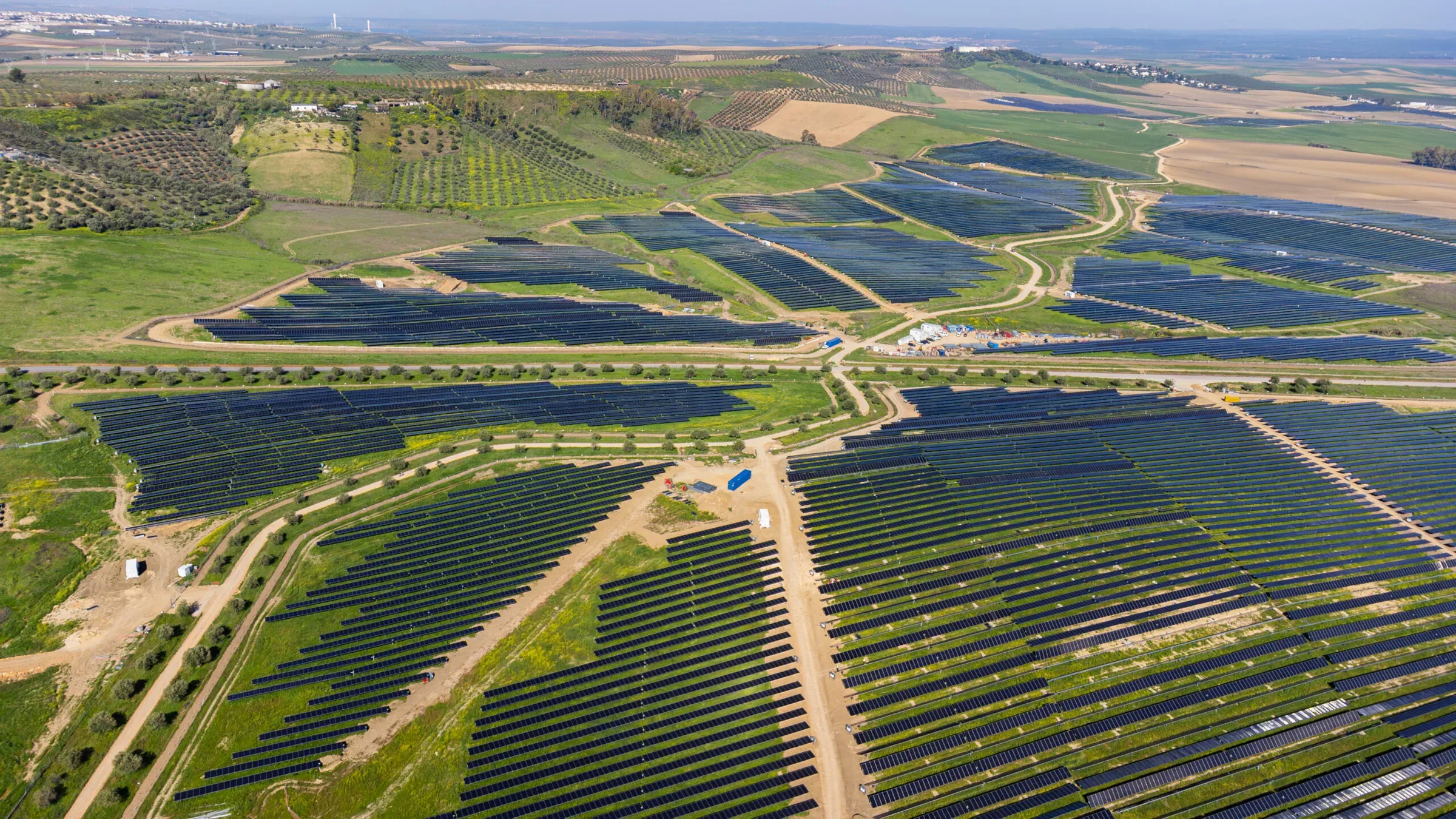
Salteras
Salteras, Seville — Andalusia, Spain
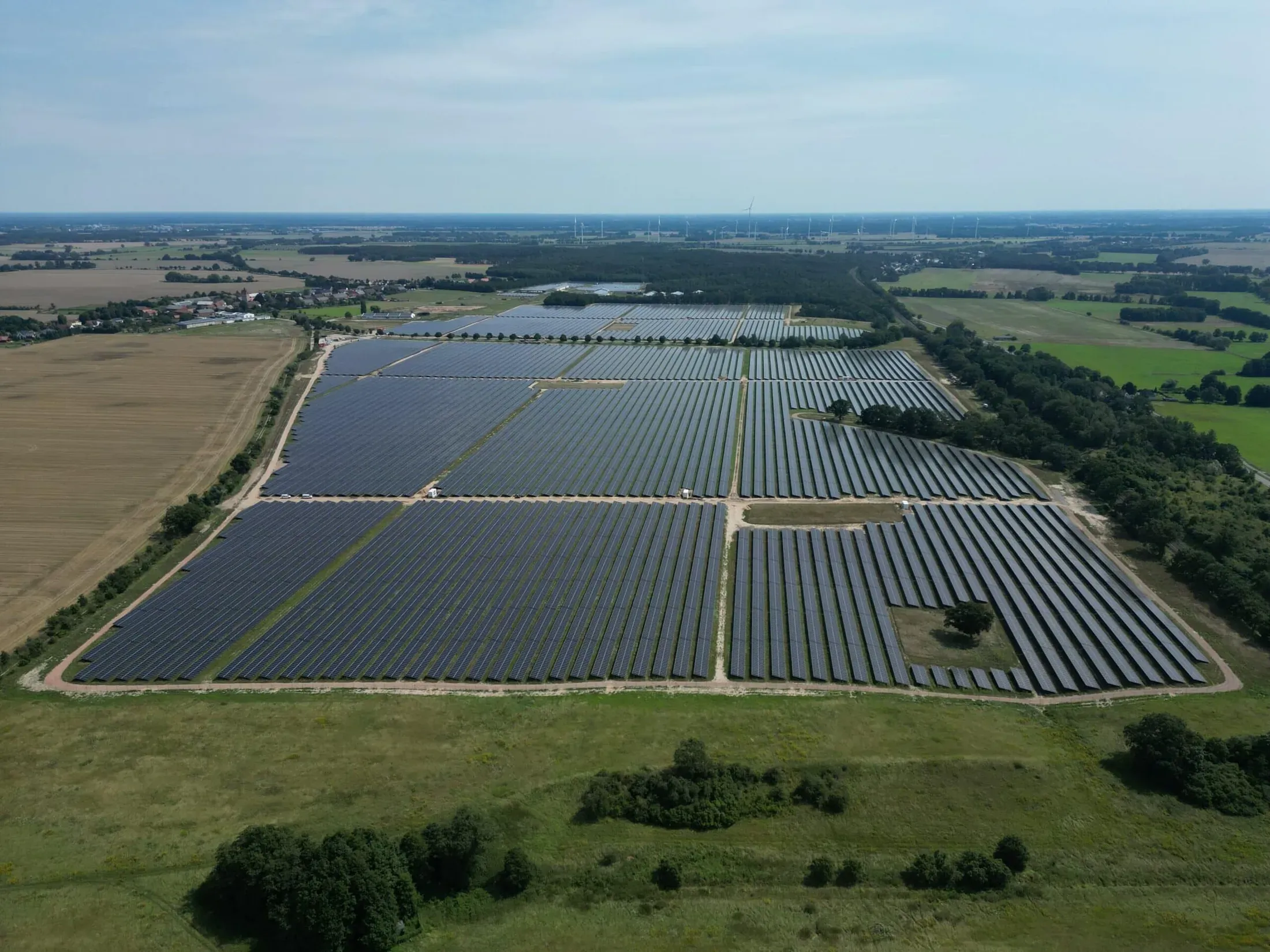
Schönermark
Stüdenitz-Schönermark, Ostprignitz-Ruppin — Brandenburg, Germany
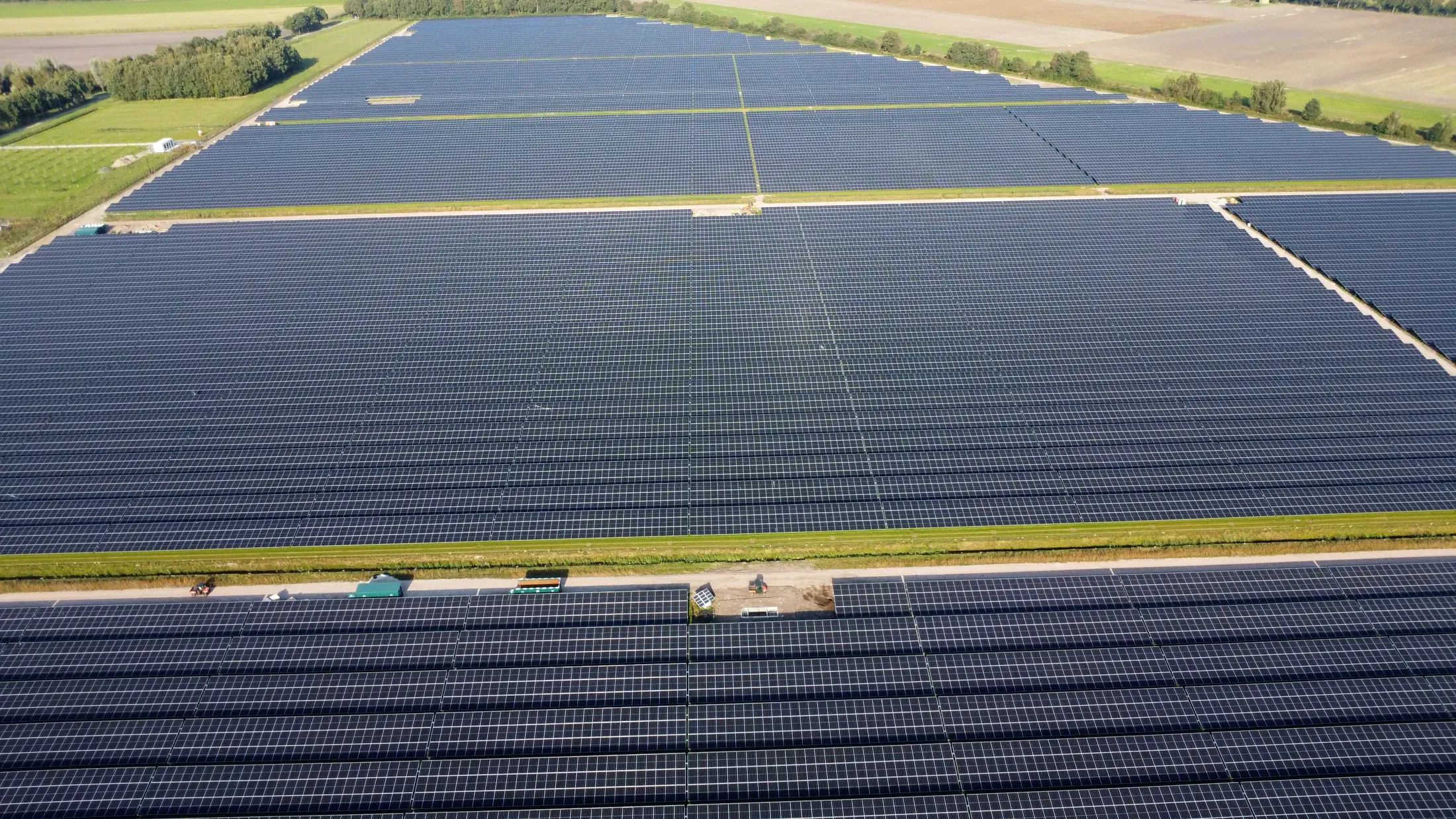
Bellingwolde
Bellingwolde, municipality of Westerwolde — Groningen, Netherlands
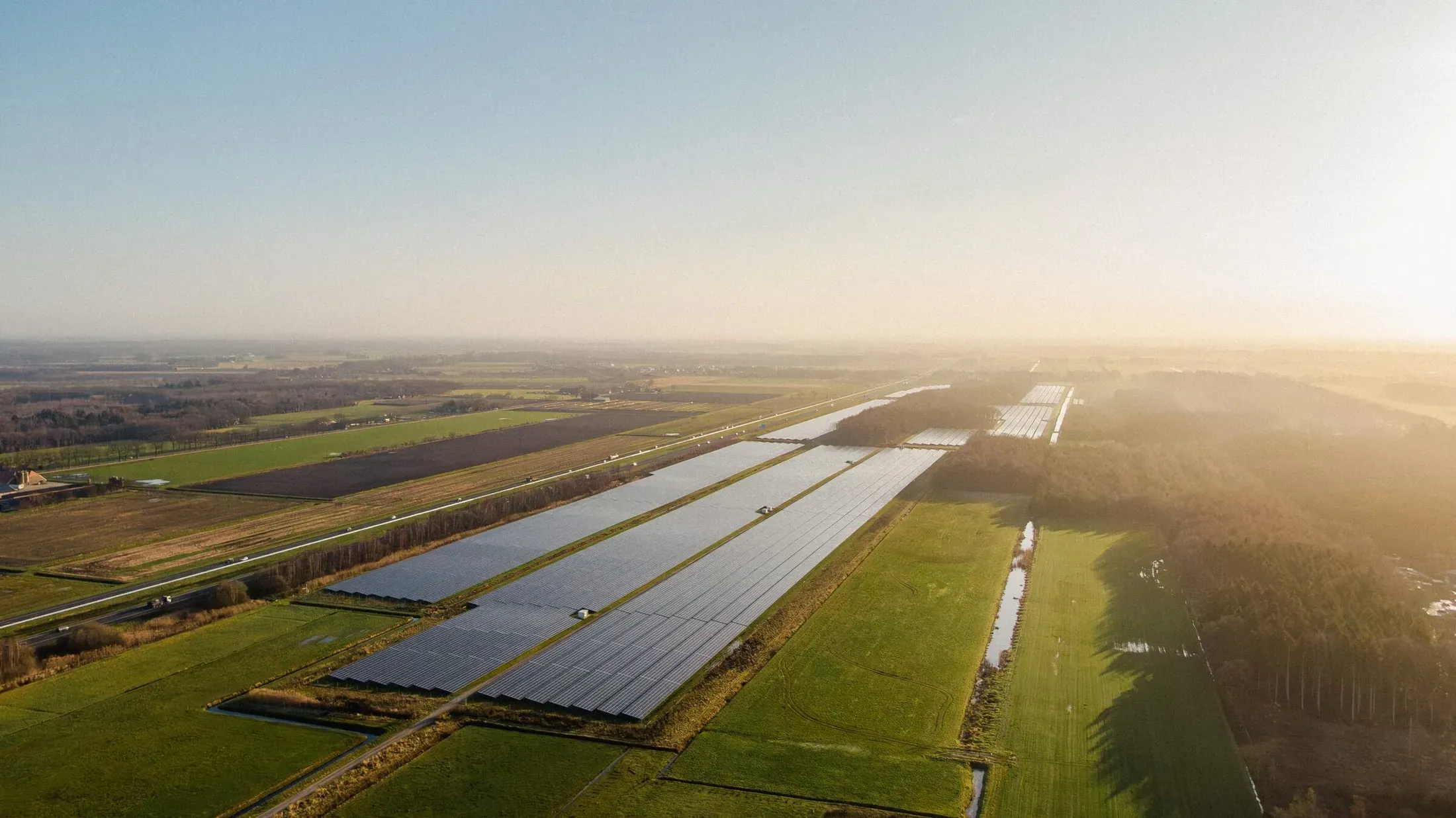
Hollandscheveld
Hollandscheveld, municipality of Hoogeveen — Drenthe, Netherlands
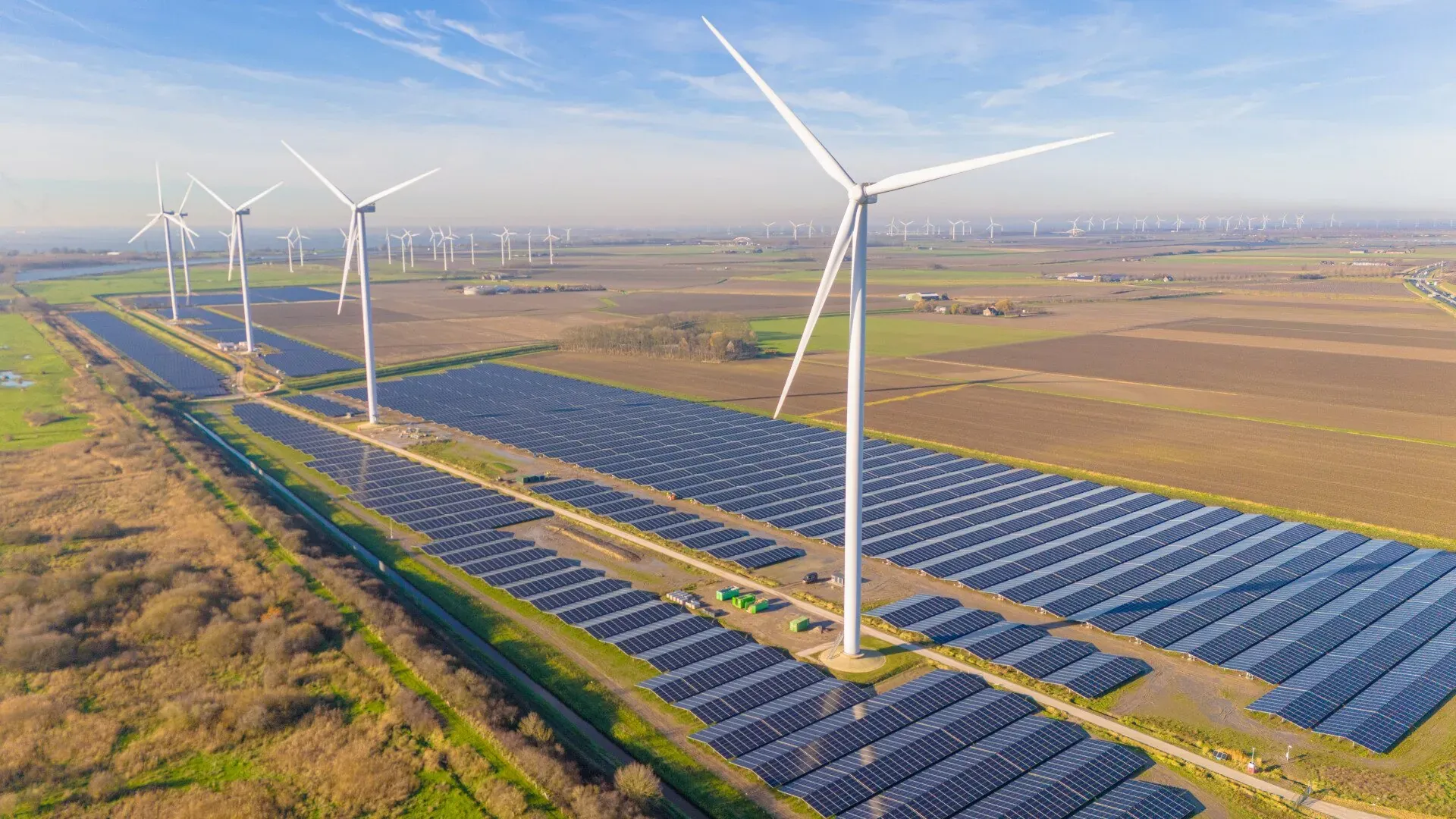
Ossendrecht
Ossendrecht, municipality of Woensdrecht — North Brabant, Netherlands
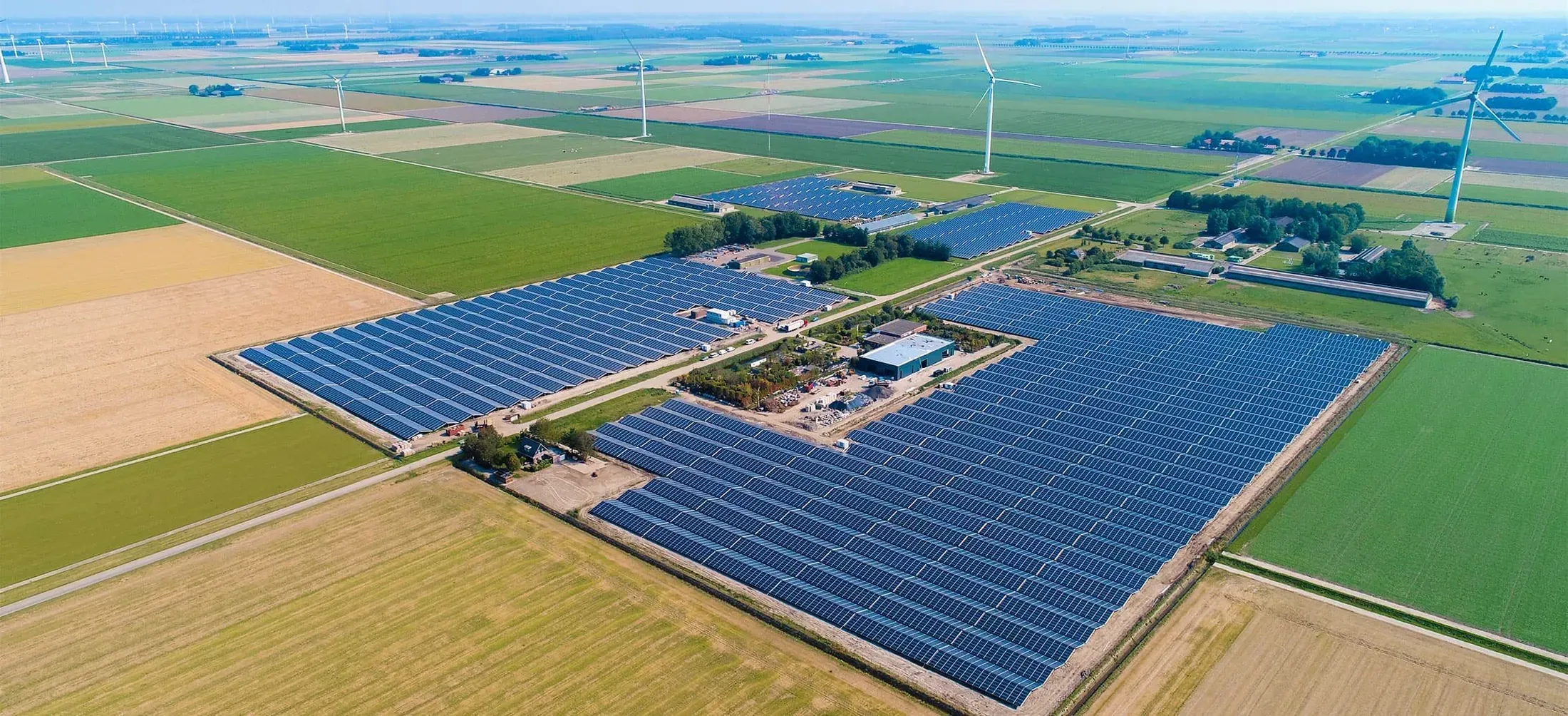
Lelystad
Wisentweg, Lelystad — Flevoland, Netherlands
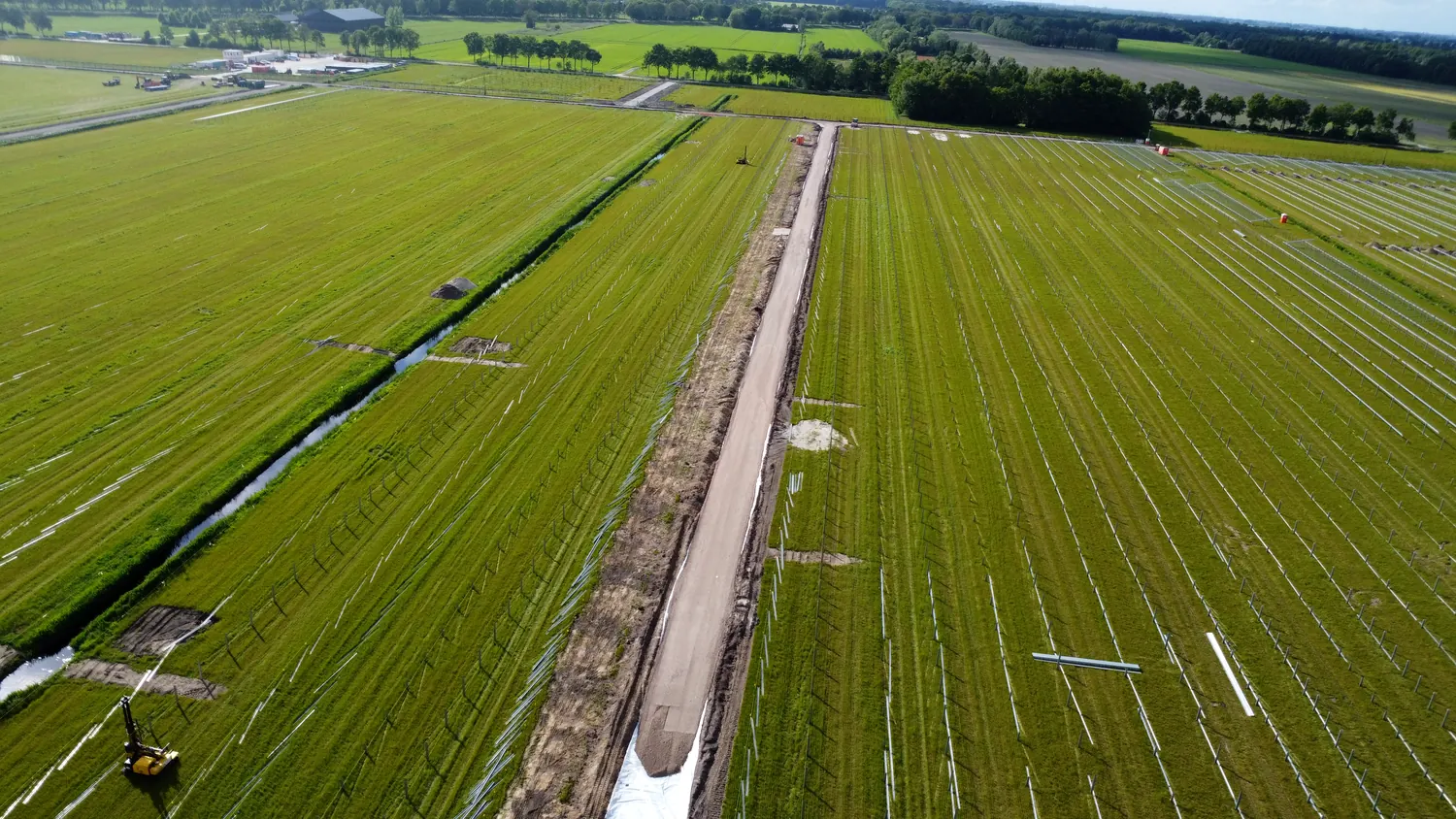
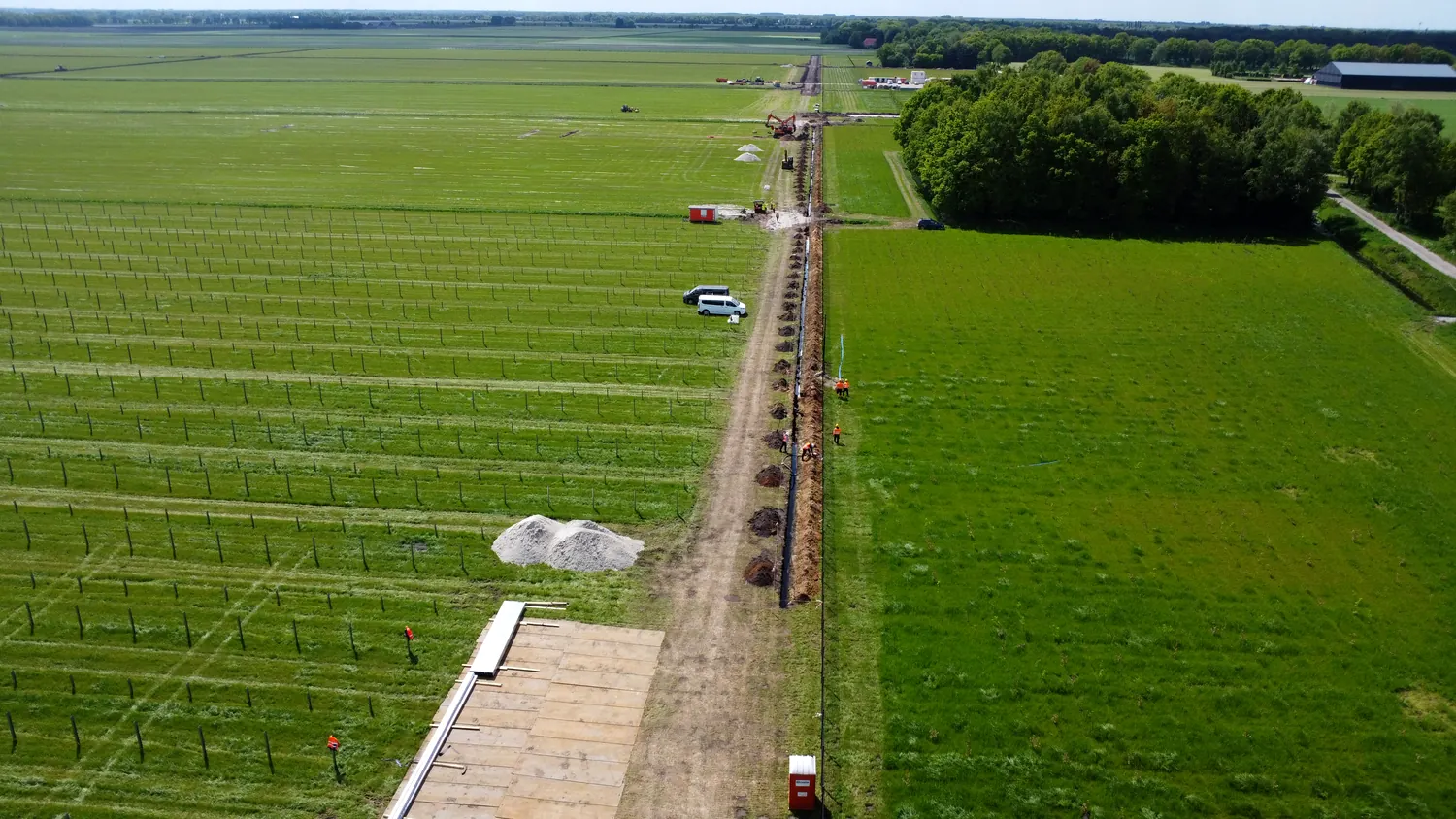
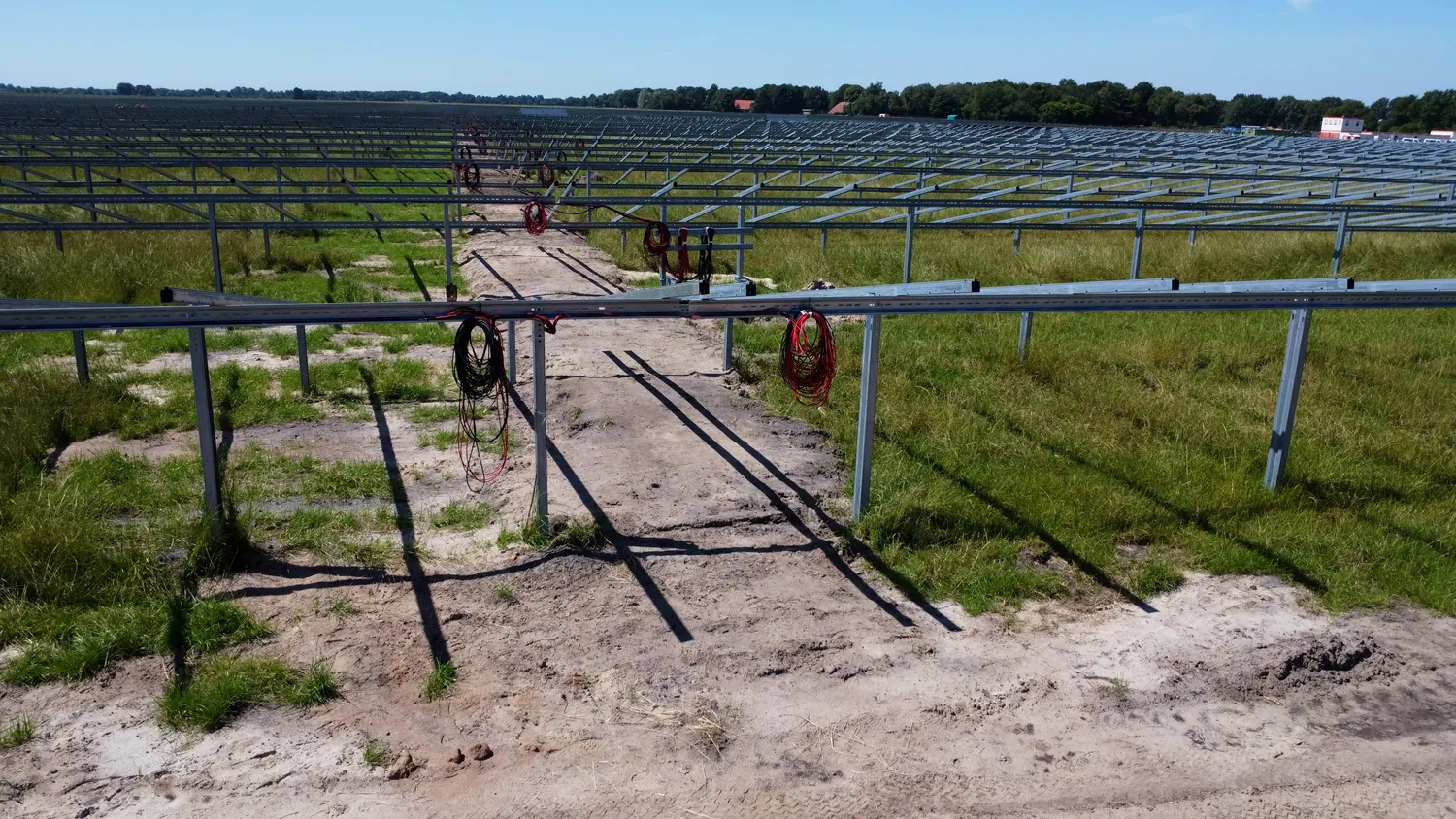
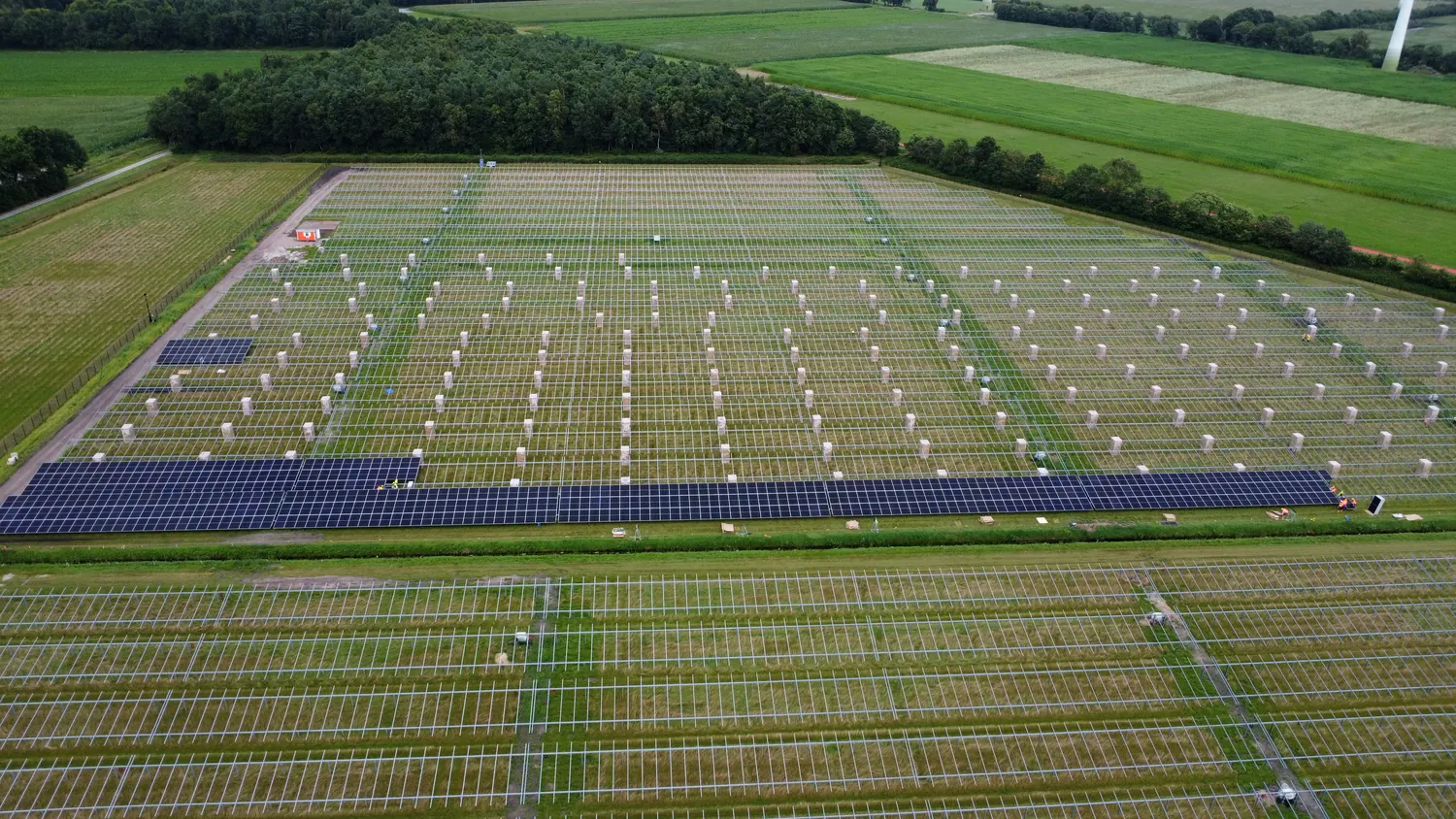
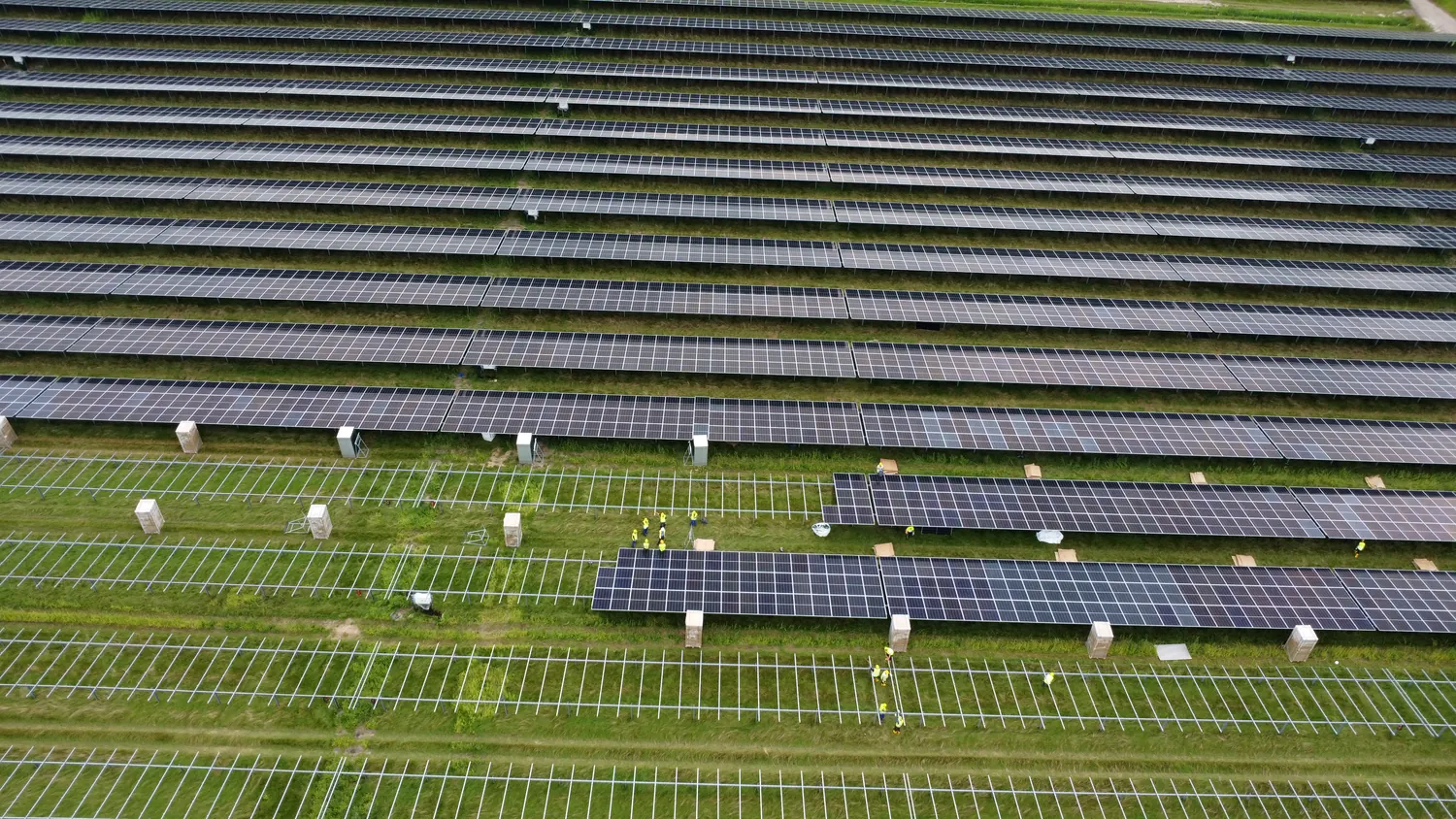
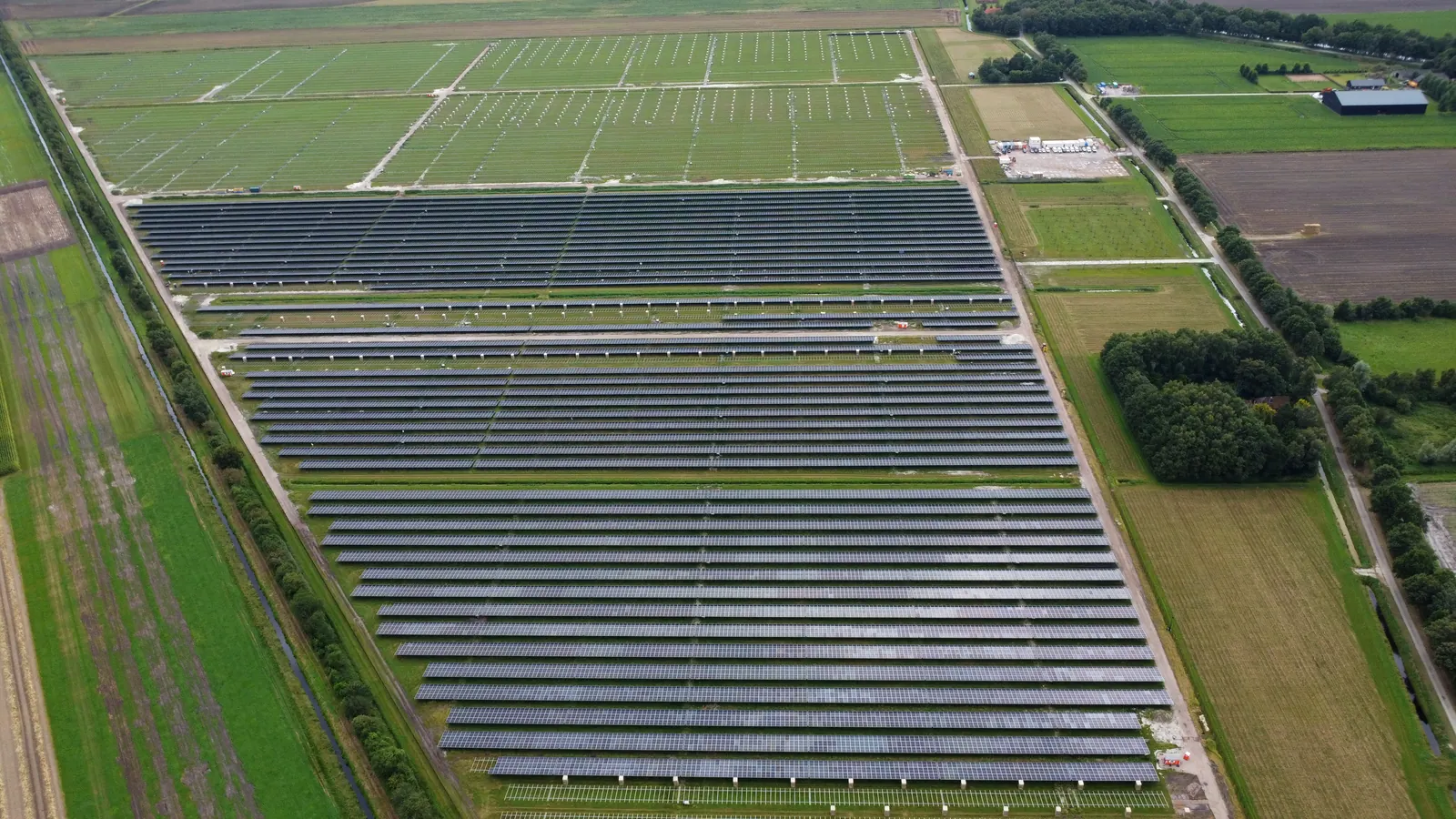
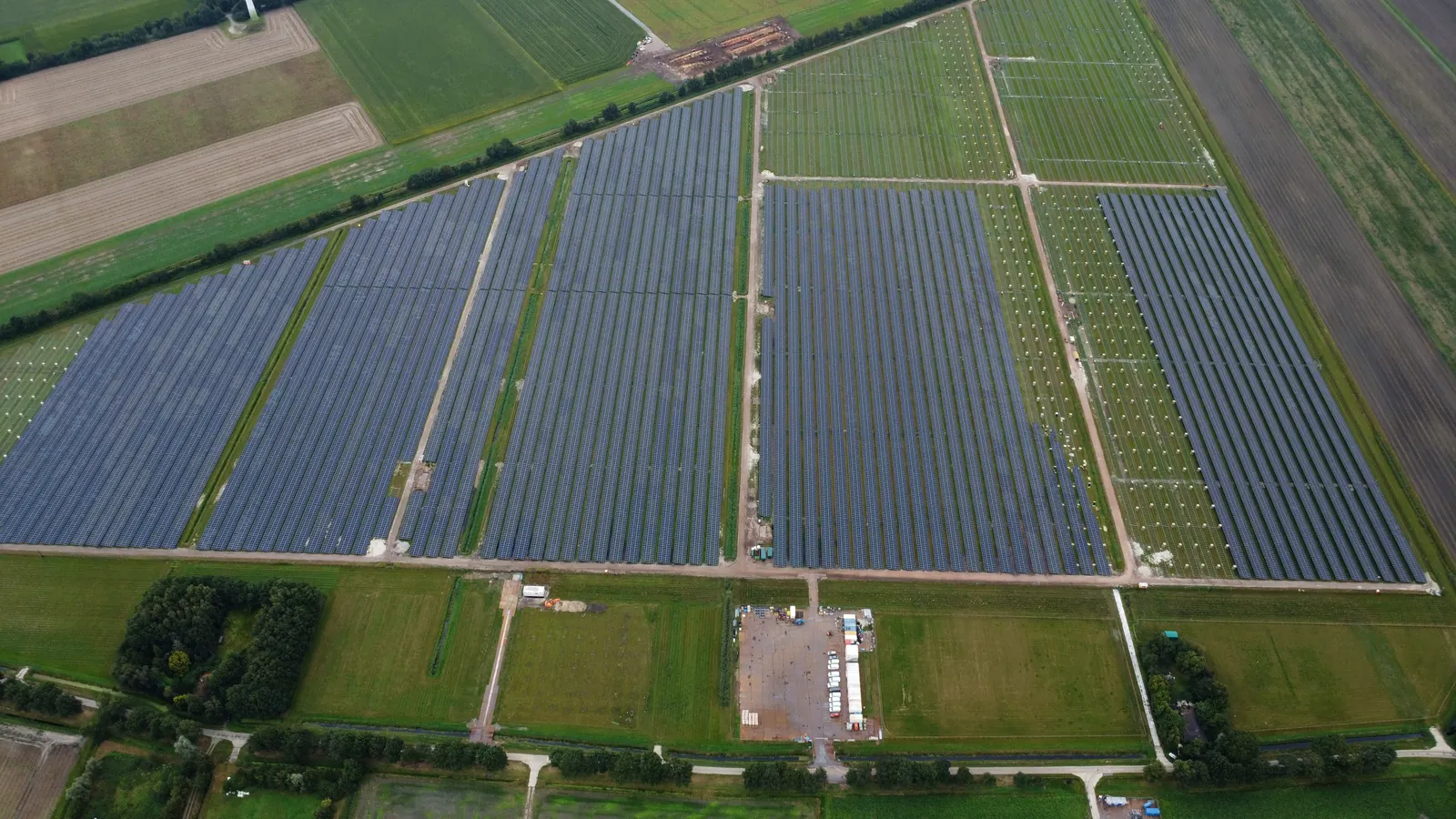
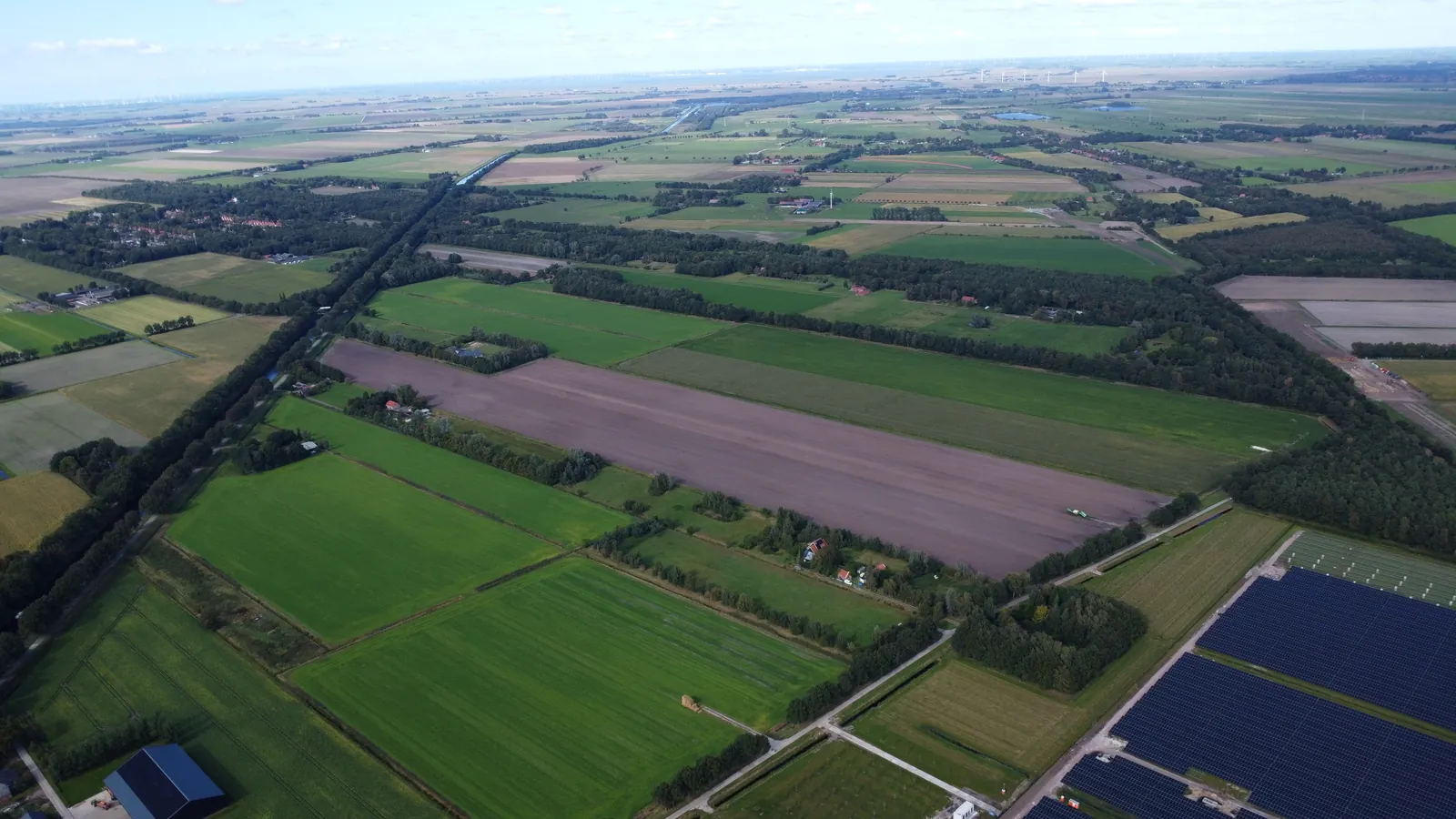
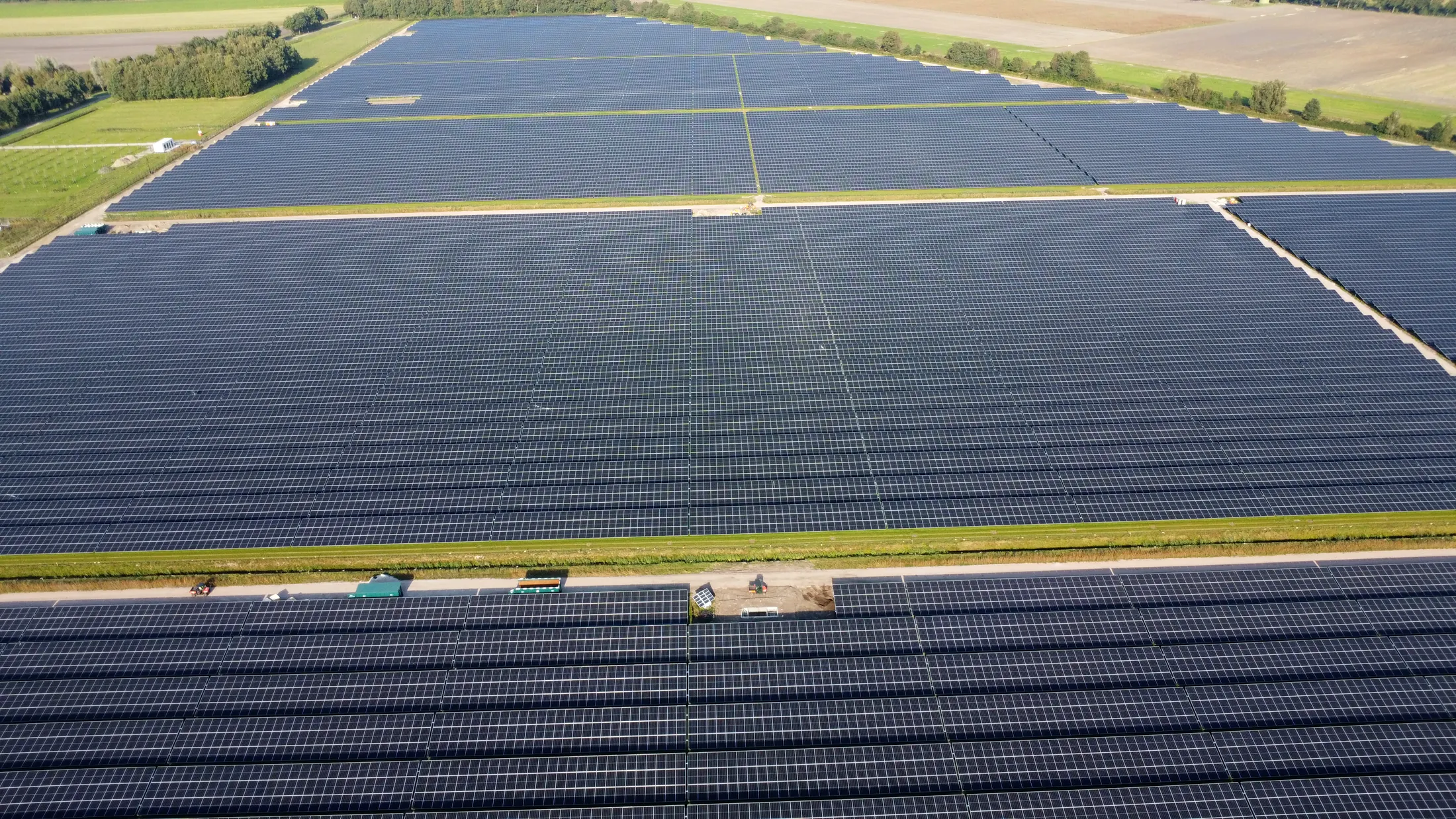 MAY 2025The first trench
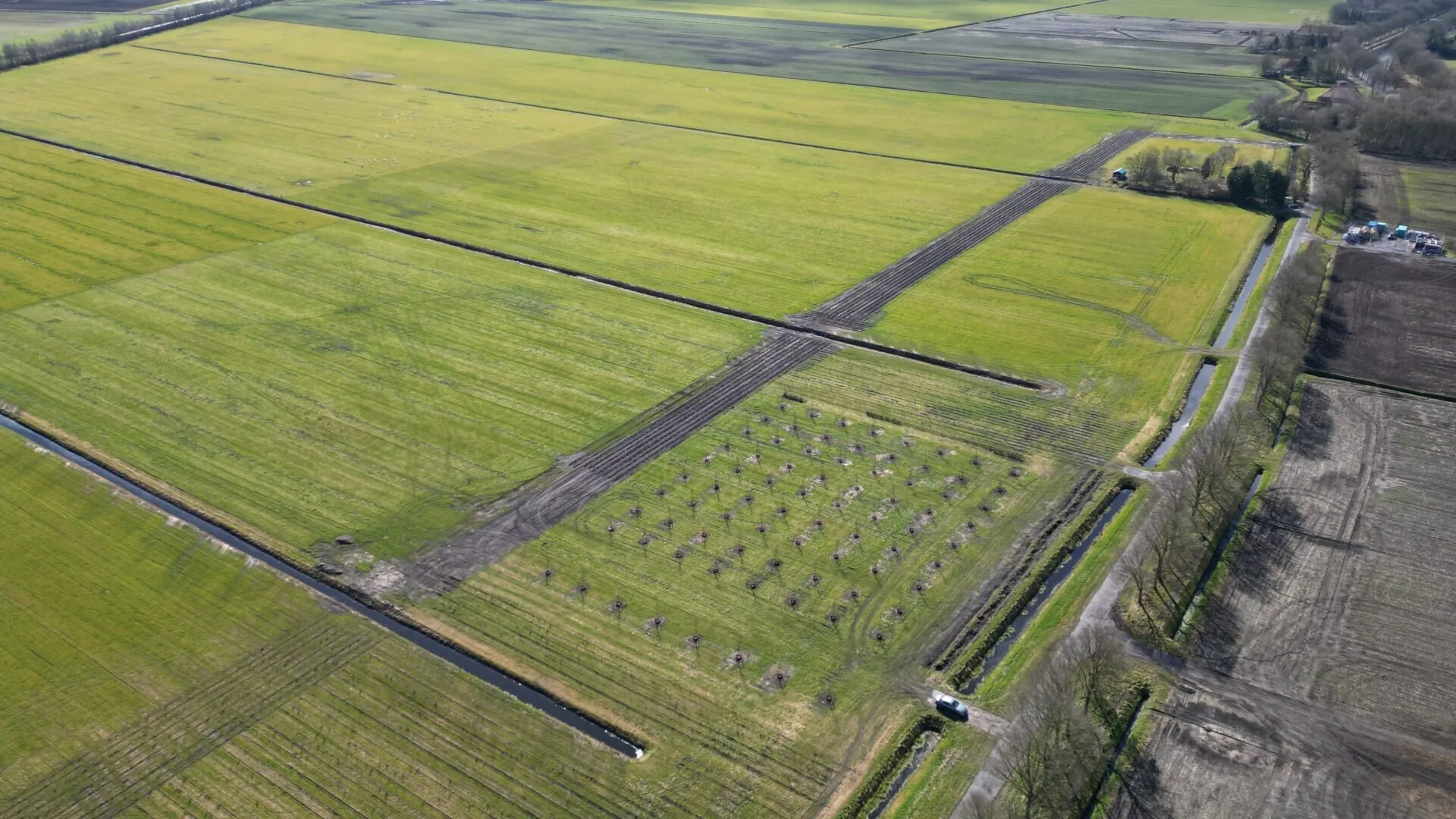
Bellingwolde, May to October.
Seventy-four megawatts in the north of the Netherlands, photographed by drone every month. Drag to move through the build.
One contractor, three trades.
Mechanical works
5Pile driving, mounting structures and installing modules. The core of our work, and the part you can see.
Pile drivingFixed structuresTrackersModule installationTorque controlCivil works
5Site preparation, internal haul roads, cable trenching. What matters most will never be seen again.
Site preparationAccess roadsTrenching & backfillFoundationsReinstatementElectrical works
5DC and AC cabling, inverter connection, MV/LV stations through to energisation.
Cable layingDc/ac wiringInvertersMv/lv substationsCommissioningWe don't introduce ourselves. They do it for us.
We work as specialist subcontractor for the EPCs and developers behind Europe's largest parks. Every name can be checked on the project page, against the client's own source.
What you can check for yourself.
Certifications · TÜV AUSTRIA GMBH

Your plant deserves a flawless execution.
Request a proposal